
Adeliane Amaral
★★★★★
Great location with excellent, high-quality care. A competent specialist with the technical knowledge to answer questions and take a thorough medical history.Read the review on Google ↗
DR JOÃO PEDRO MAZZON
In some cases, jaw surgery can come before braces. If you are also considering rhinoplasty, the two procedures can sometimes be planned together.
Dr João Pedro Mazzon examines your bite, reviews your scans and plans the jaw movements himself using a 3D model.
Schedule my consultationPrivate care · In person and online

Dr João Pedro Mazzon
Oral and Maxillofacial Surgeon · CROSP 126836SHARED EXPERIENCES
Reviews translated from Portuguese. Names, photographs, ratings and links to the original reviews are preserved.
Great location with excellent, high-quality care. A competent specialist with the technical knowledge to answer questions and take a thorough medical history.Read the review on Google ↗

An excellent professional! Great care from the very first consultation, answering all our questions and making us feel reassured. My daughter's surgery went very well! Compassionate care, and she…Read the review on Google ↗

Dr João Pedro is extremely careful, committed to his patients and attentive. From the tests right through to the surgery itself. Having surgery with him and his team was a very positive surprise. I had a…Read the review on Google ↗
SURGICAL PATIENT TESTIMONIALS
Watch the video and hear about the experiences of patients who have had surgery with Dr João Pedro Mazzon.
Every story is unique. These testimonials do not guarantee any outcome or recovery.
Discuss my treatmentSurgery is performed at major hospitals in São Paulo, including Albert Einstein, Vila Nova Star, Oswaldo Cruz, Rede D’Or São Luiz and Nove de Julho, among others.





CONTINUE THE CONVERSATION
Videos, explanations and answers to questions about orthognathic surgery and facial care.
Swipe to explore the posts
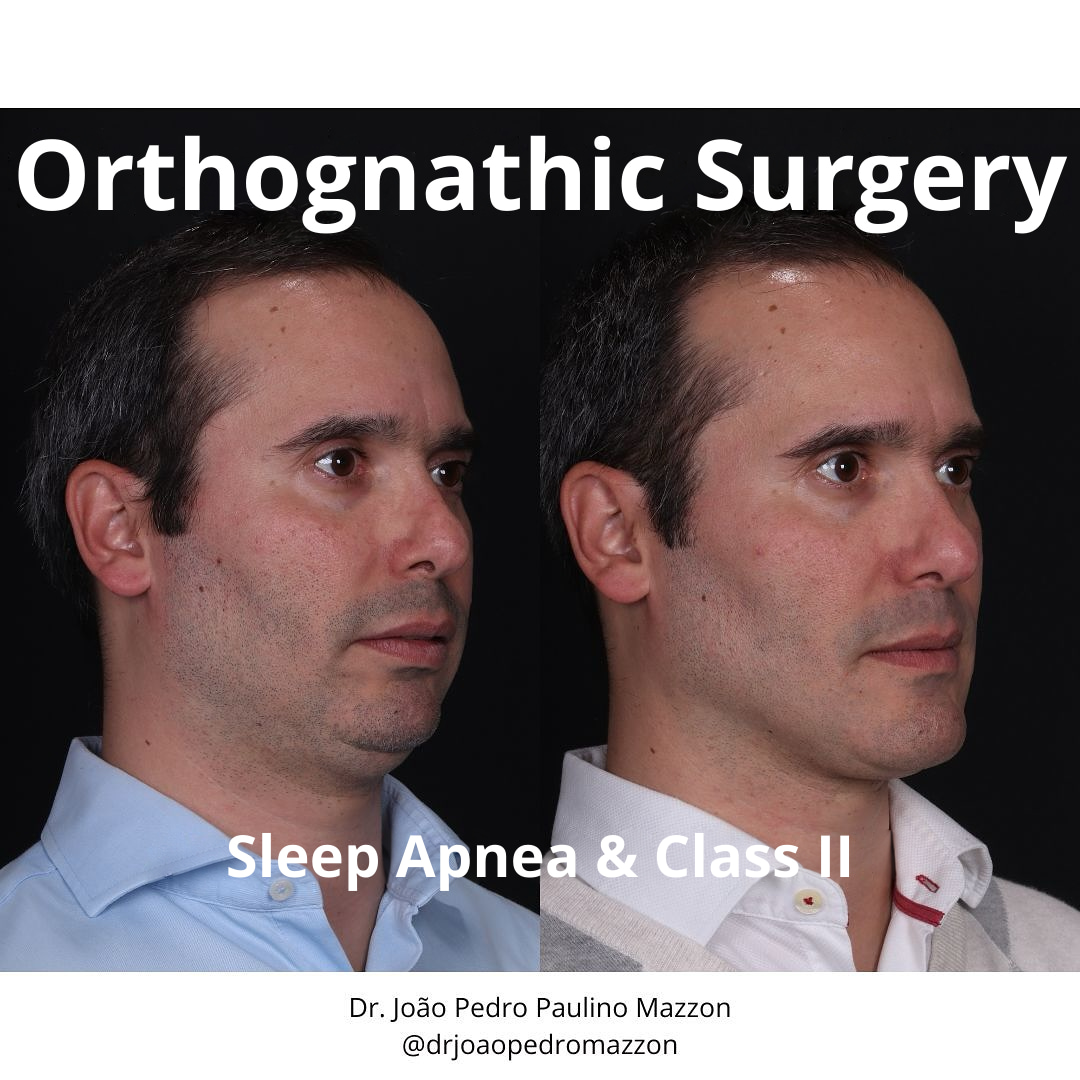
Explore the full post and the other images on Instagram.
View the full post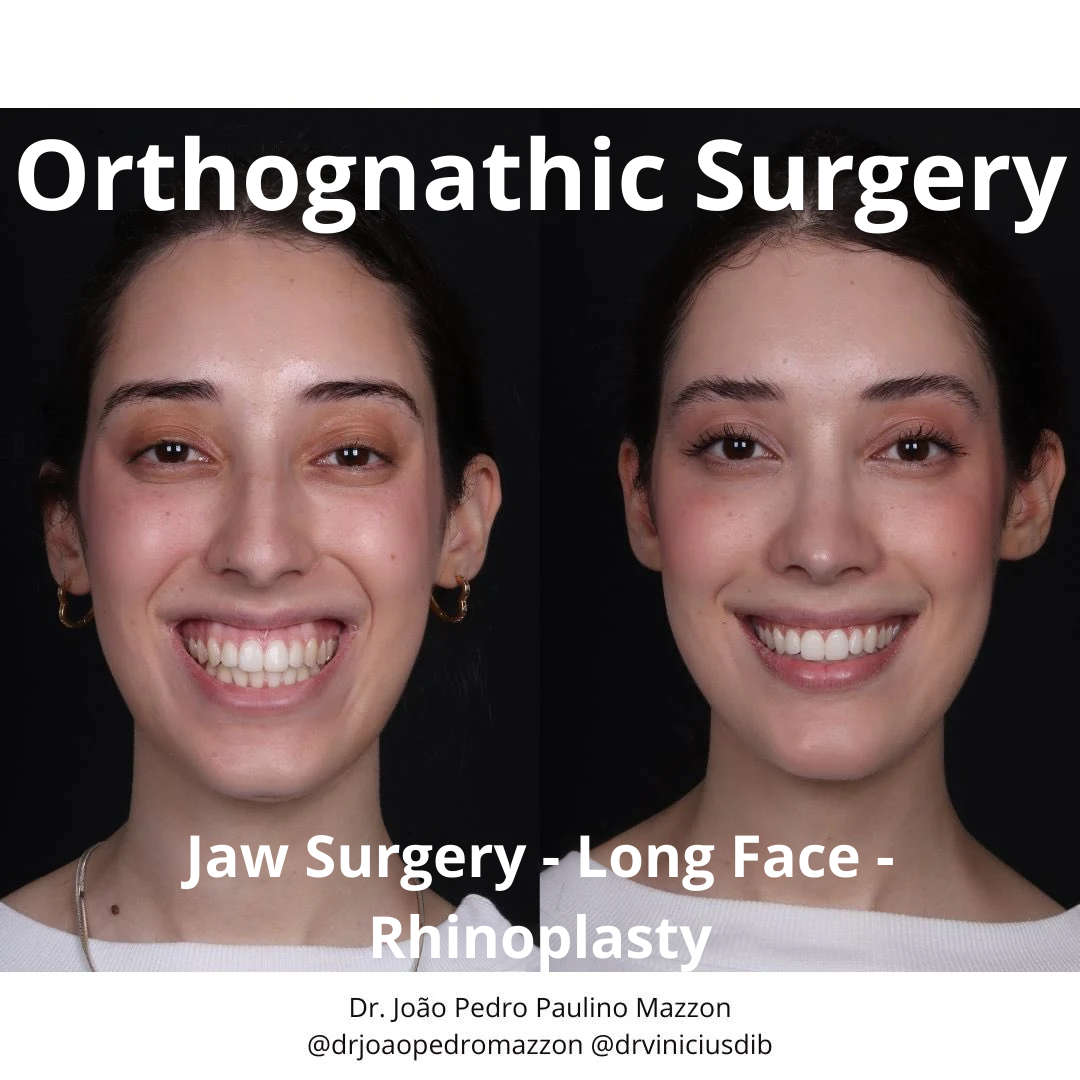
Explore the full post and the other images on Instagram.
View the full post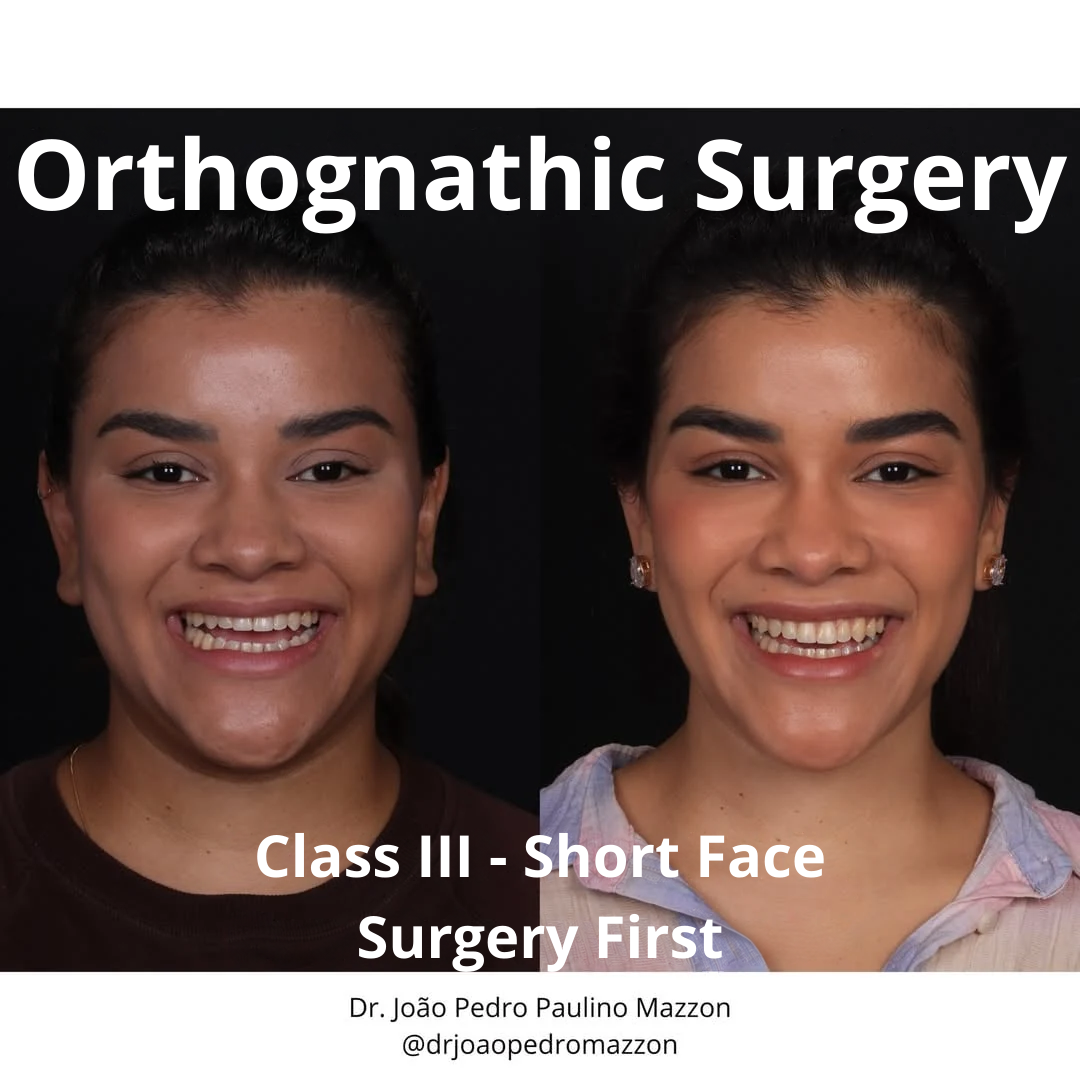
Explore the full post and the other images on Instagram.
View the full postEmbedded videos and posts are original content in Portuguese.
DR JOÃO PEDRO ON BUCOCAST
How does the bite affect jaw surgery planning? In this Portuguese-language interview with Ismael, Dr João Pedro discusses surgical planning, when he considers a surgery-first approach and what patients ask about recovery.
Visit the channel for videos about orthognathic surgery, patient care and frequently asked questions.
MEET YOUR SURGEON
Dr João Pedro Paulino Mazzon
Oral and Maxillofacial Surgeon · CROSP 126836
Private practice in Vila Mariana, São Paulo, Brazil, with in-person and online consultations.
Explore my professional background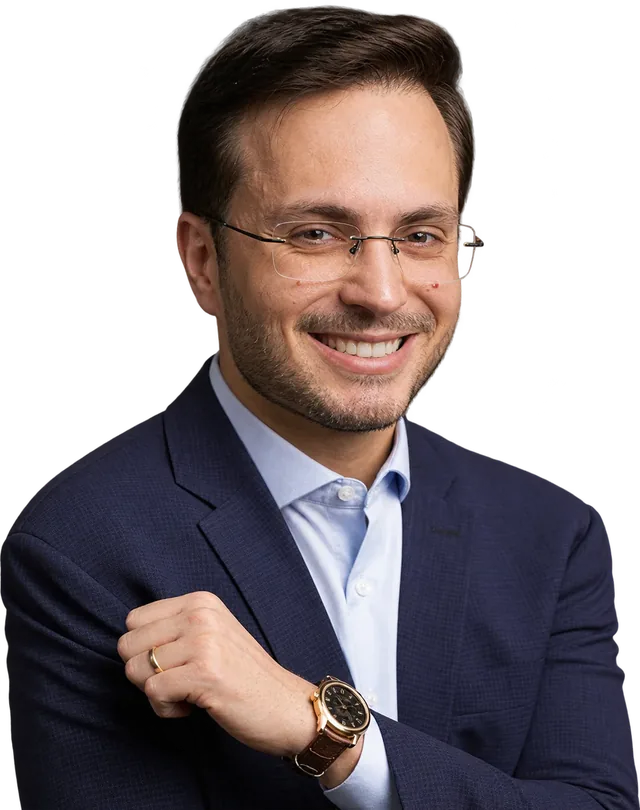
Hospital training, teaching and experience in orthognathic surgery.
Degree in Dentistry.
Hospital Municipal do Tatuapé, São Paulo, Brazil.
Advanced training focused on planning and surgical treatment of the face.
Specialist in Oral and Maxillofacial Surgery and Traumatology and specialist in Implant Dentistry.
Clinical supervisor in the Oral and Maxillofacial Surgery and Traumatology Residency at Hospital Municipal do Tatuapé.
Experience in the surgery-first approach, with virtual 3D planning performed personally, considering function, appearance and each patient's individual needs.
YOUR BITE AND JAW POSITION
When the position of one or both jaws keeps the teeth from meeting properly, corrective jaw surgery may be an option. The surgeon checks how the bite affects chewing and how the jaws sit in profile.
Treatment may involve the upper jaw, lower jaw or both. The plan considers your bite, facial proportions, symptoms and goals, in coordination with your orthodontist.
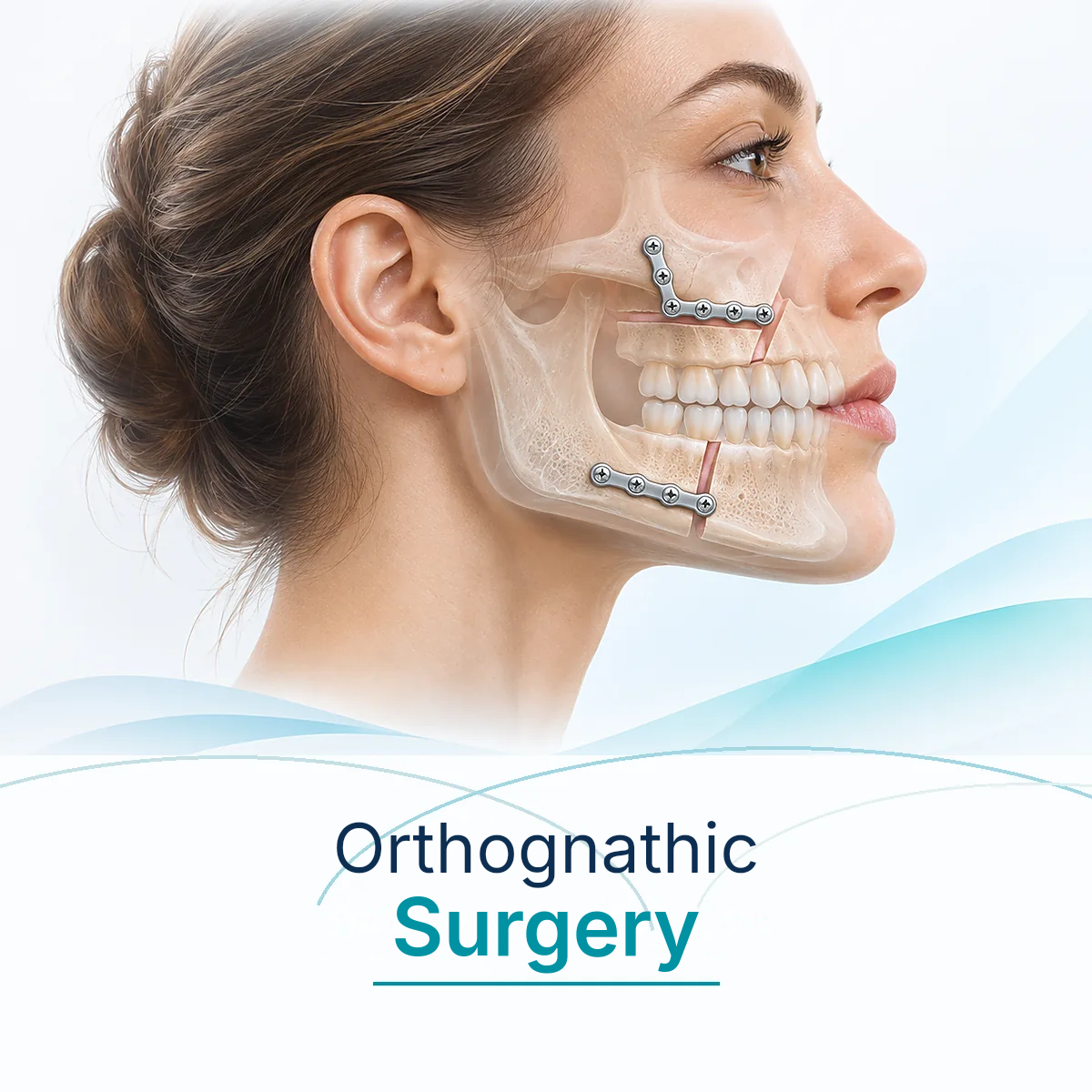
Also called bimaxillary surgery, this procedure repositions both the upper and lower jaws in the same operation. Whether one or both jaws need treatment depends on your diagnosis and surgical planning.
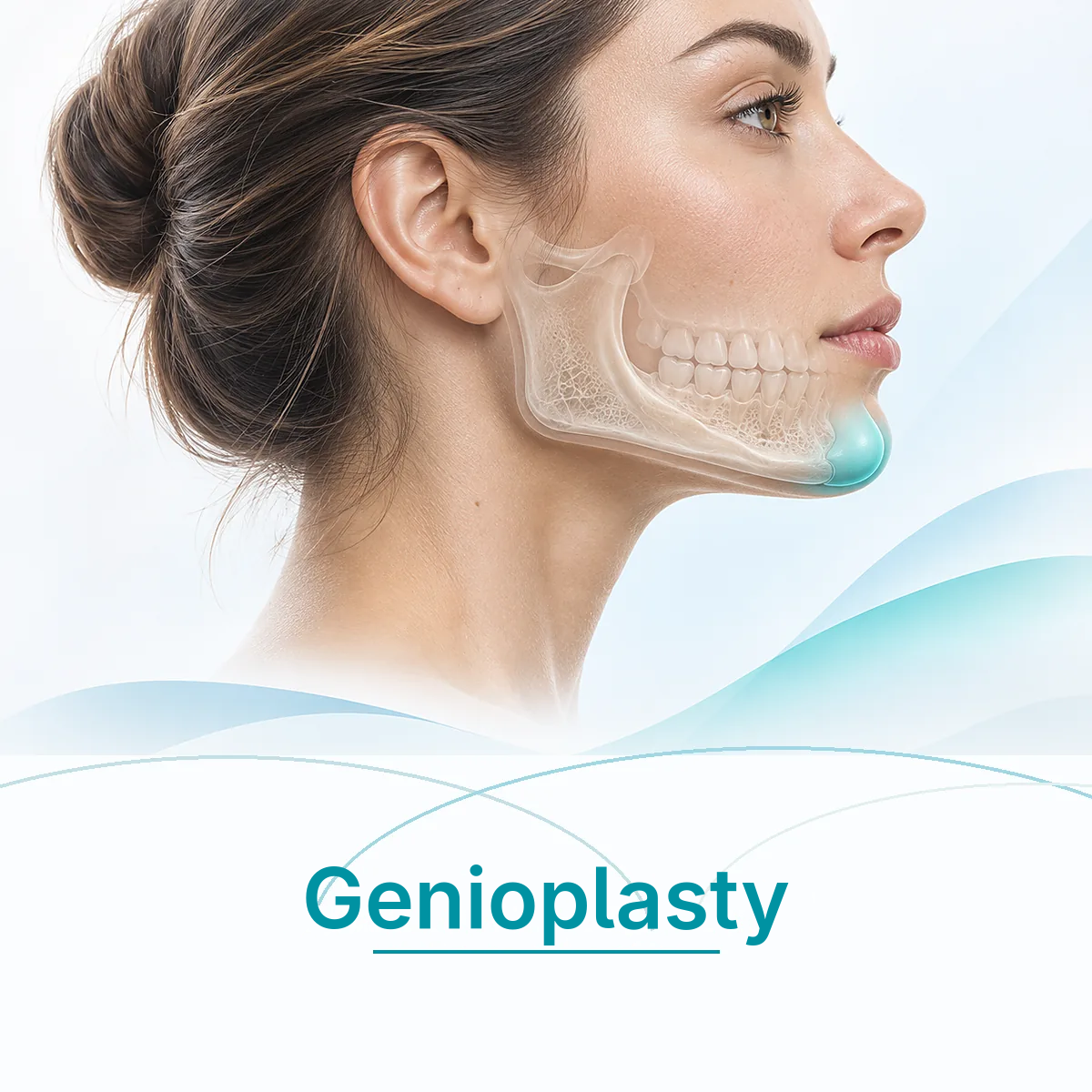
Chin surgery changes the position or shape of the chin. Osseous genioplasty uses your own chin bone and may be combined with orthognathic surgery when indicated. It addresses the chin rather than repositioning the tooth-bearing jaw.
Explore genioplasty and chin surgeryPatient information: AAOMS · Types of Corrective Jaw Surgery · Mayo Clinic · Jaw Surgery · ASPS · Chin Surgery
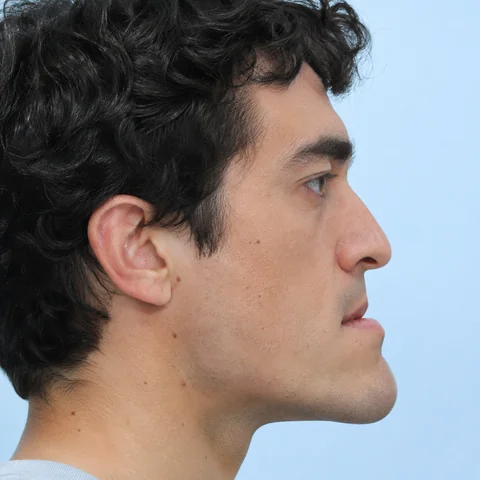
Class III or Class II jaw relationships can affect the bite and facial profile. Assessment distinguishes skeletal jaw discrepancies from tooth-position problems, including an increased overjet.
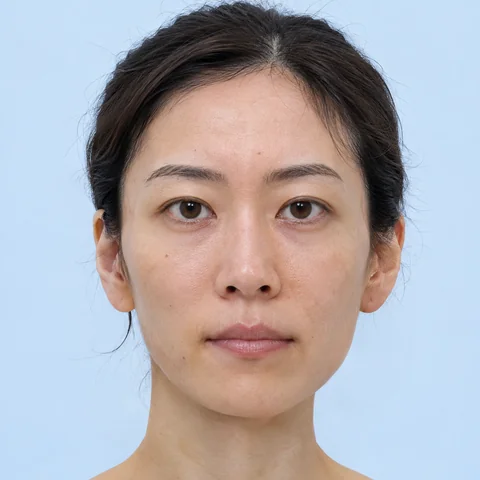
Why does my face look uneven? The surgeon compares both sides of your face, checks your chin position and examines how your teeth meet.
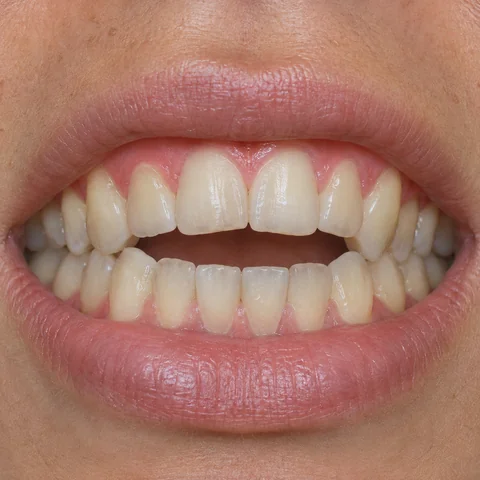
When the position of the jawbones contributes to difficulty bringing the teeth together correctly.
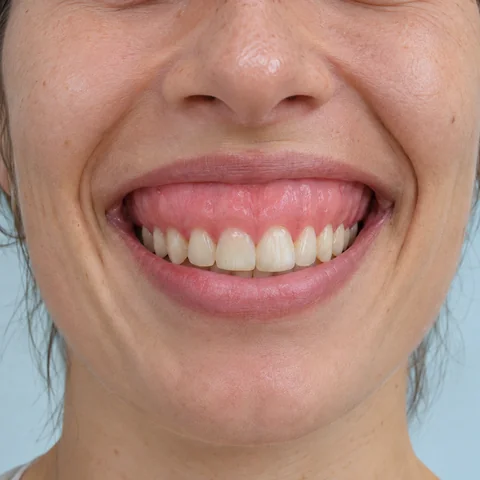
In cases where the underlying issue is related to the position of the upper jaw.
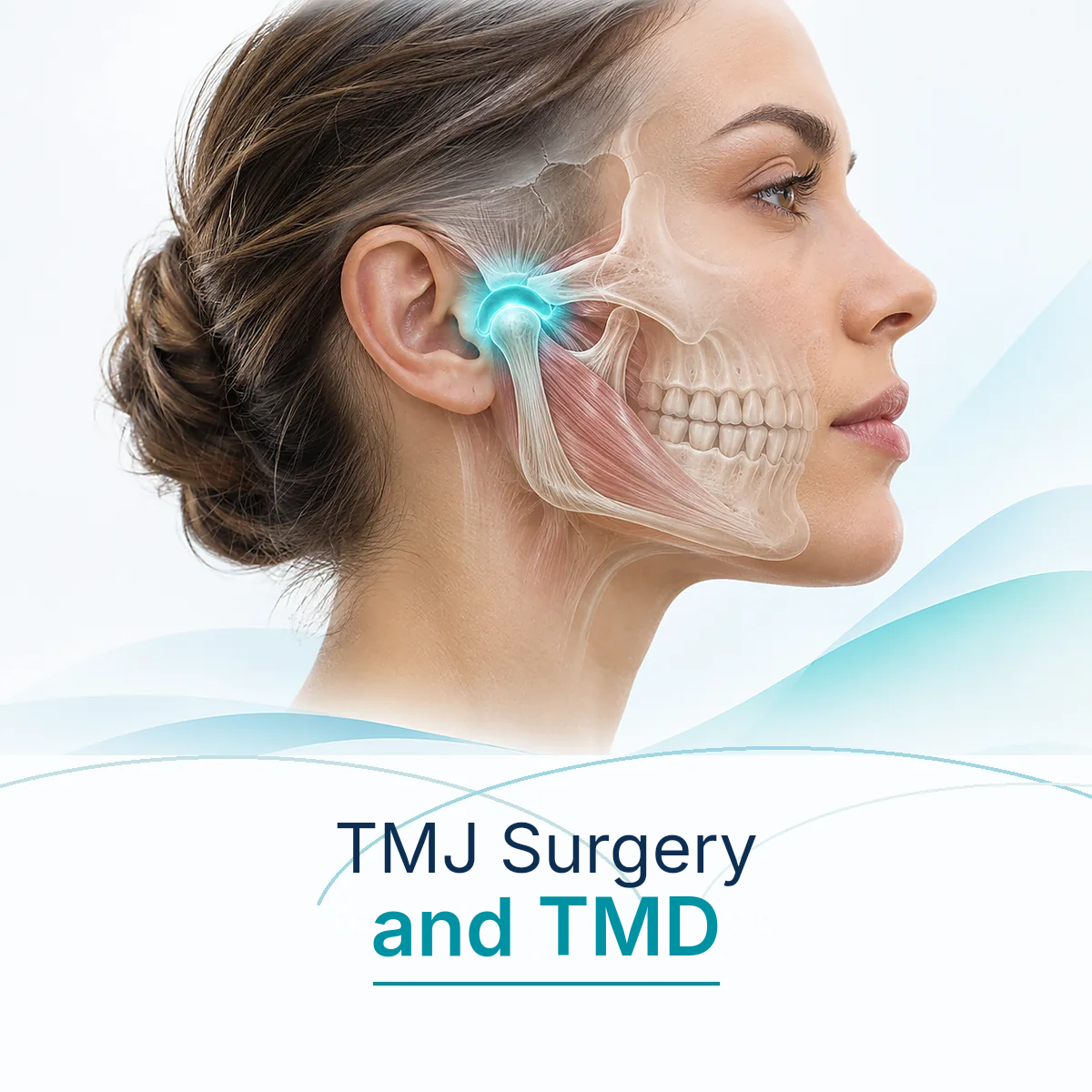
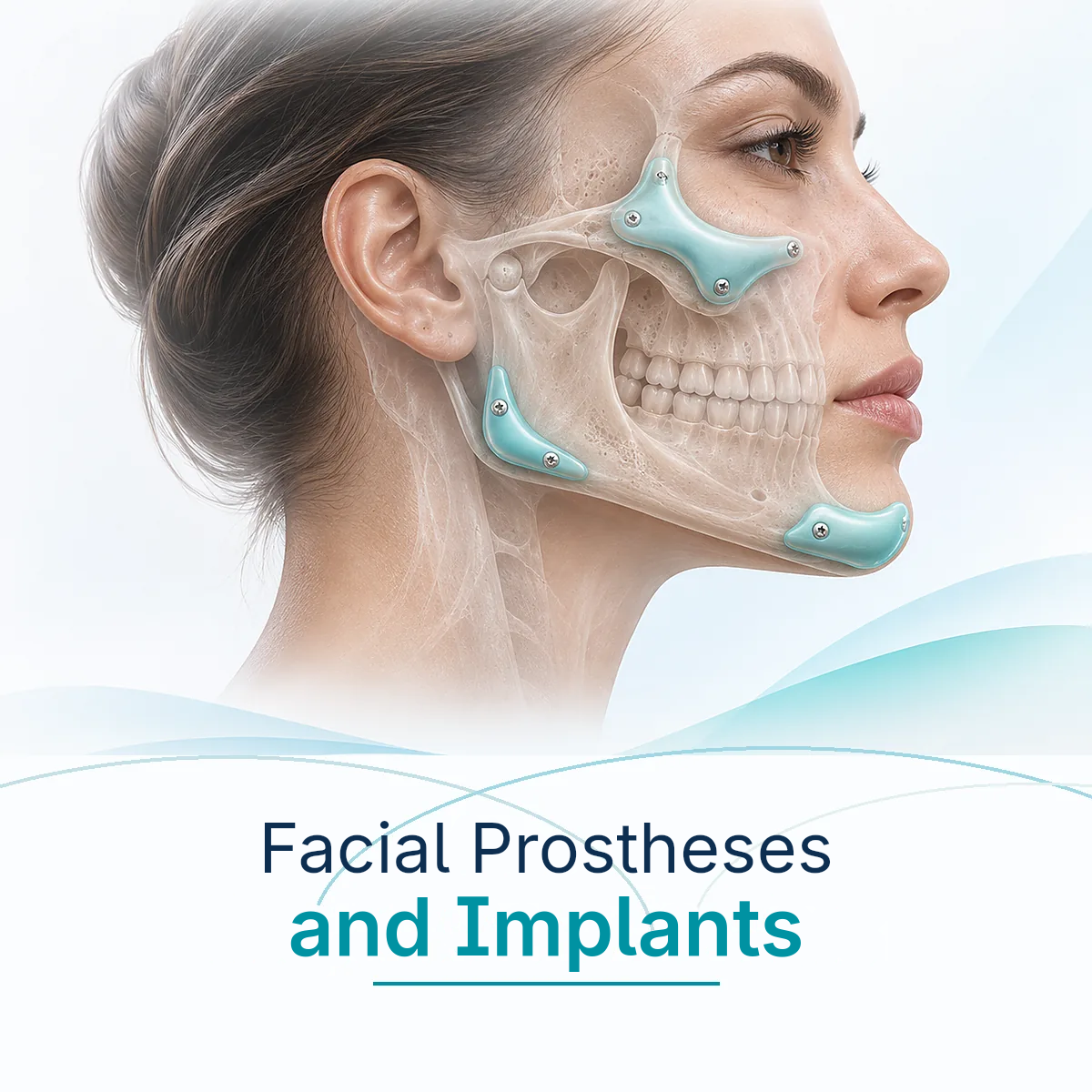
AI-created educational illustrations. They do not depict actual patients or treatment outcomes.
Further reading: Cambridge University Hospitals · indications, alternatives and risks.
Not every bite discrepancy or concern about appearance requires surgery. The consultation is an opportunity to clarify the diagnosis and explore the alternatives.
TREATMENTS
Individual planning of jaw position, bite and facial balance.
Explore this treatmentChin projection, height and contour, according to anatomy and individual goals.
Explore this treatmentFacial implant planning, including patient-specific 3D options.
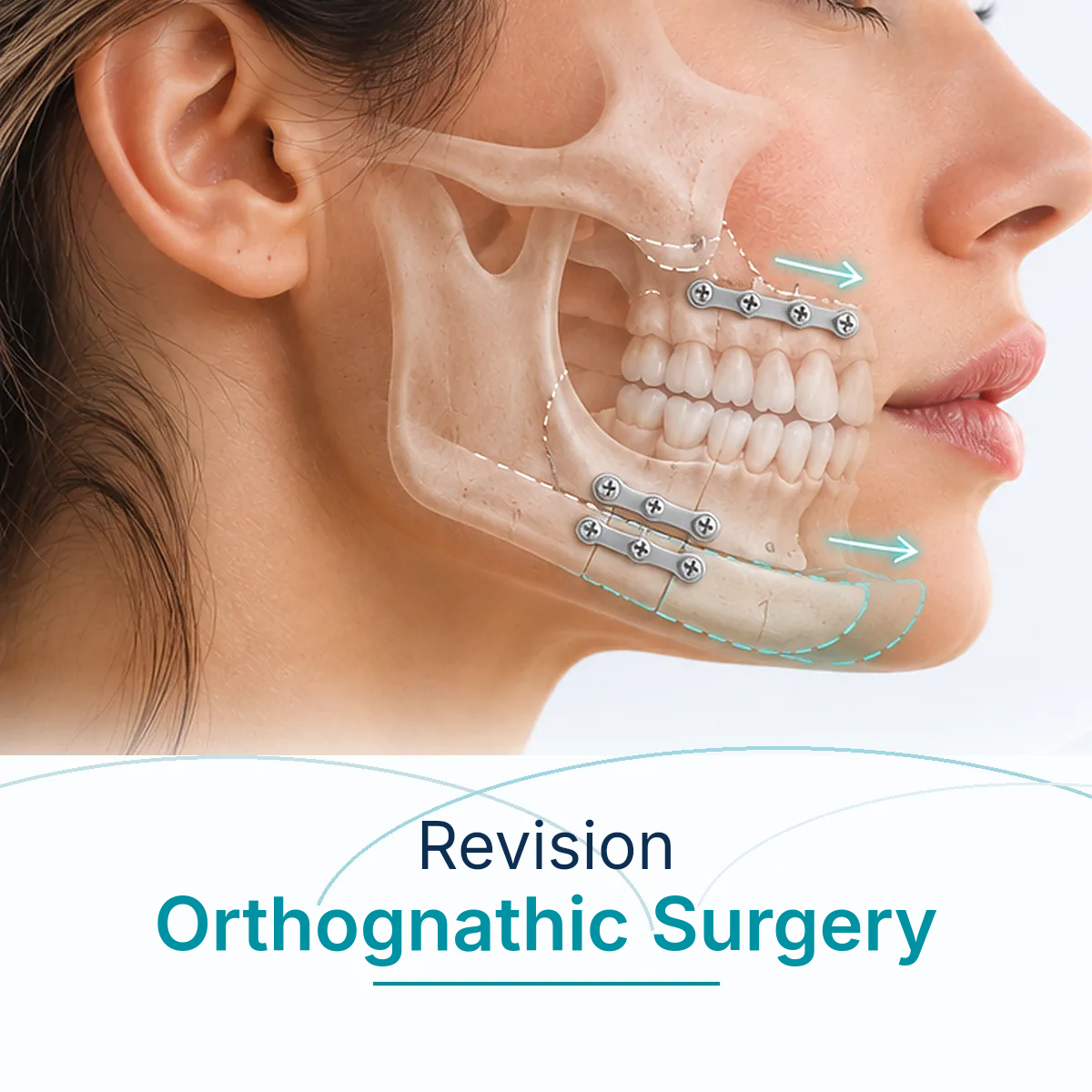
Explore this treatmentReassessment of the diagnosis, previous treatment and revision options.
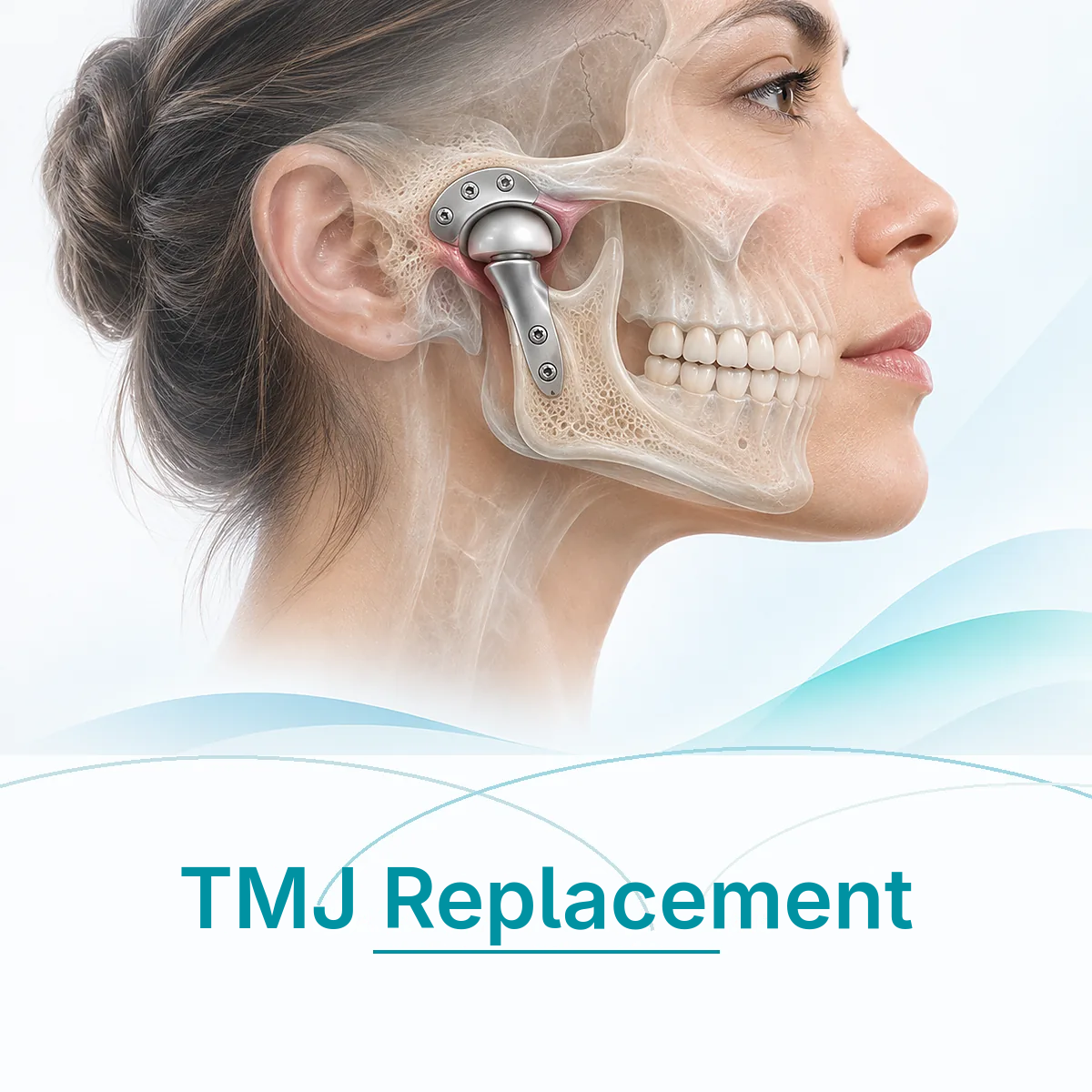
Explore this treatmentJoint reconstruction for specific conditions, with individual assessment.
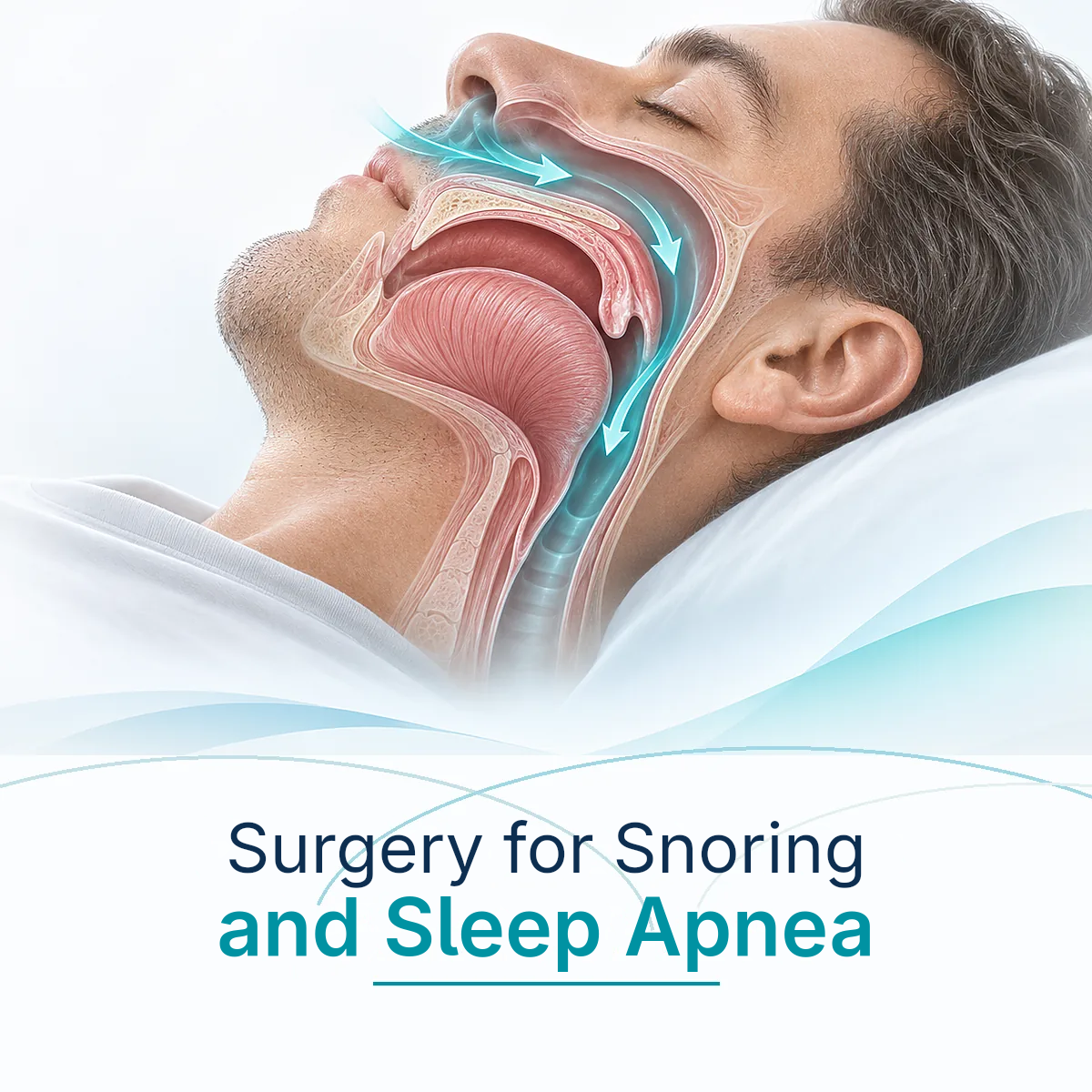
Explore this treatmentUnderstand the role of surgery in selected patients and alternative care options.
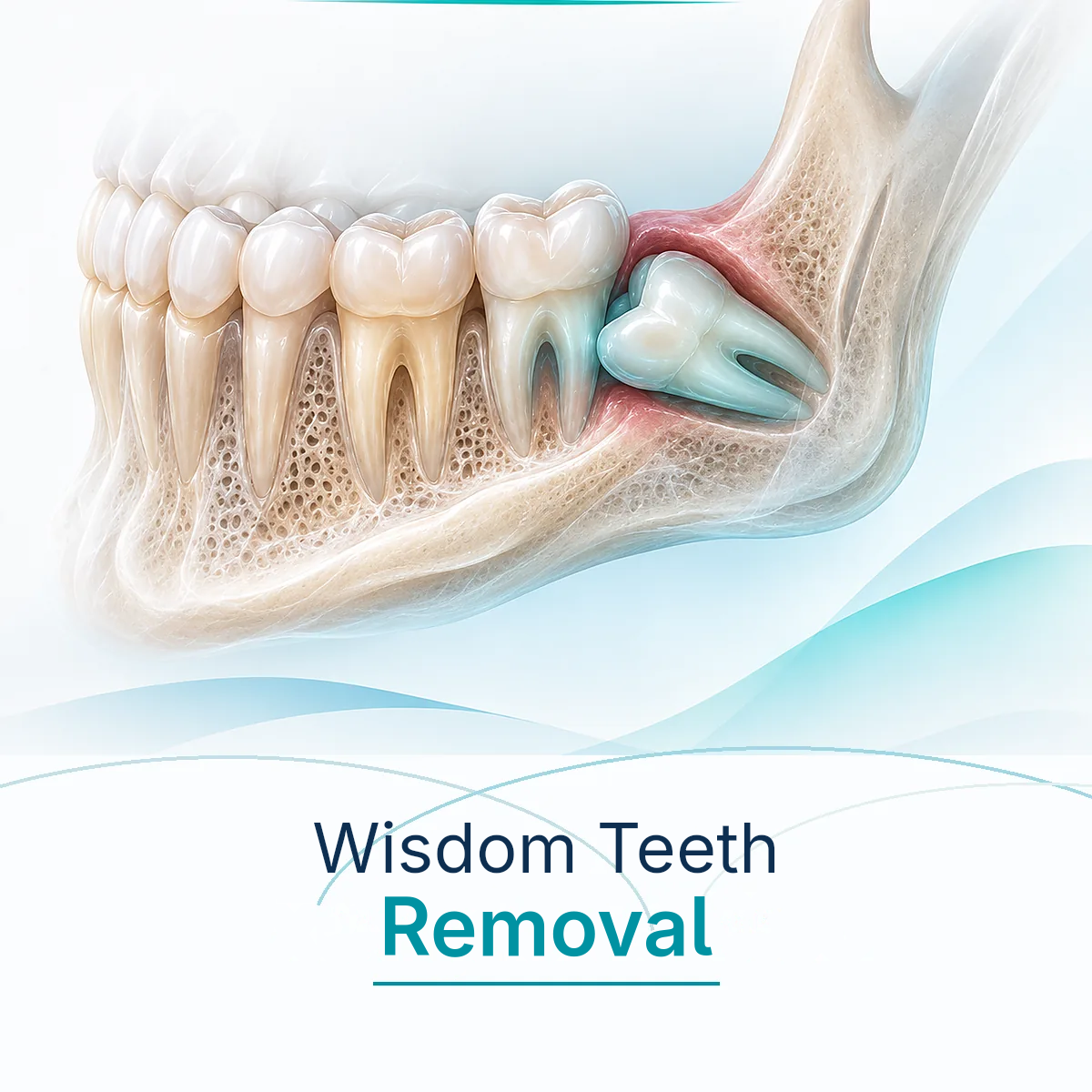
Explore this treatmentWisdom teeth assessment, surgical planning and sedation options.
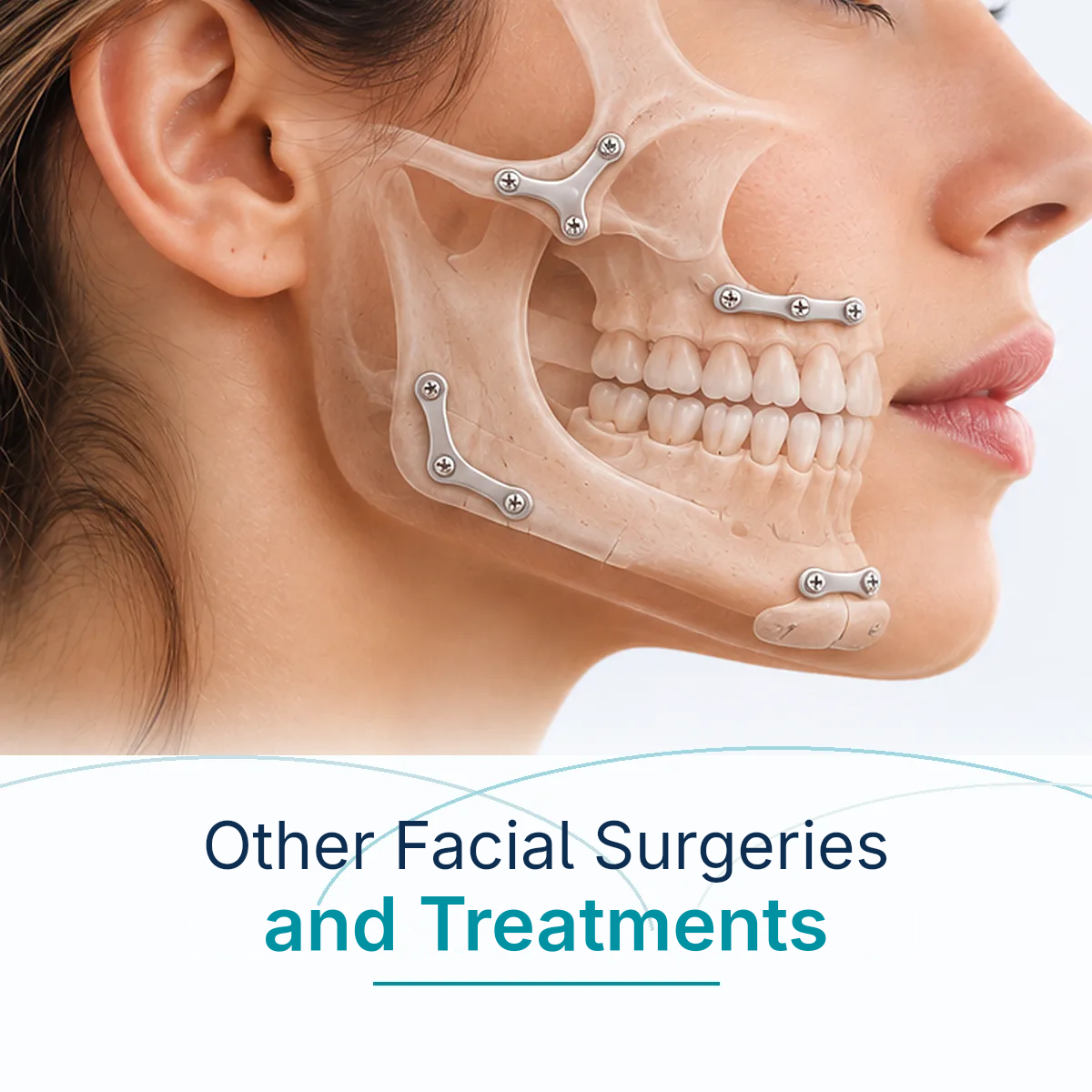
Explore this treatmentExplore other areas of care and specialist assessment.
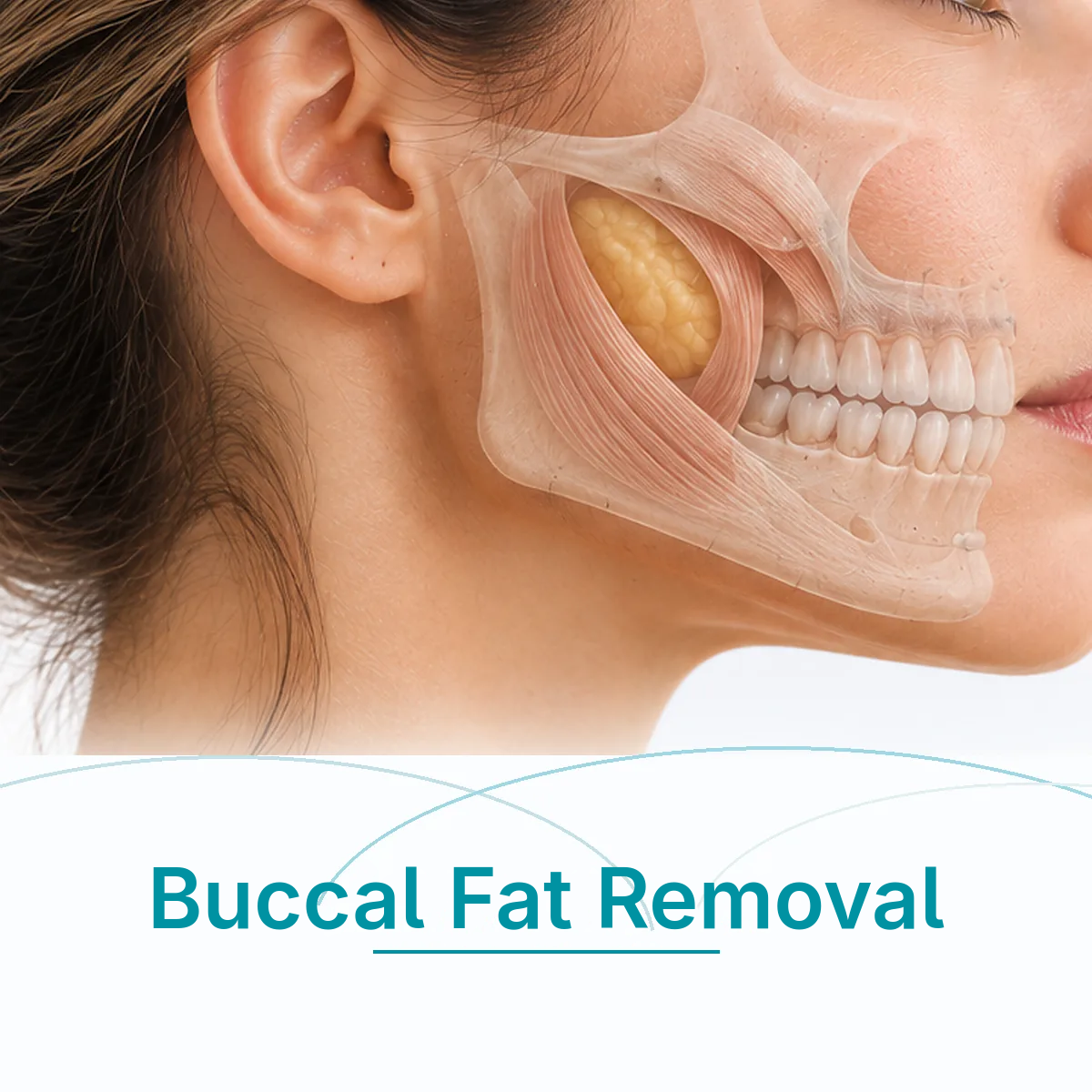
Explore this treatmentIndividual assessment of cheek fullness, alternatives and risks.
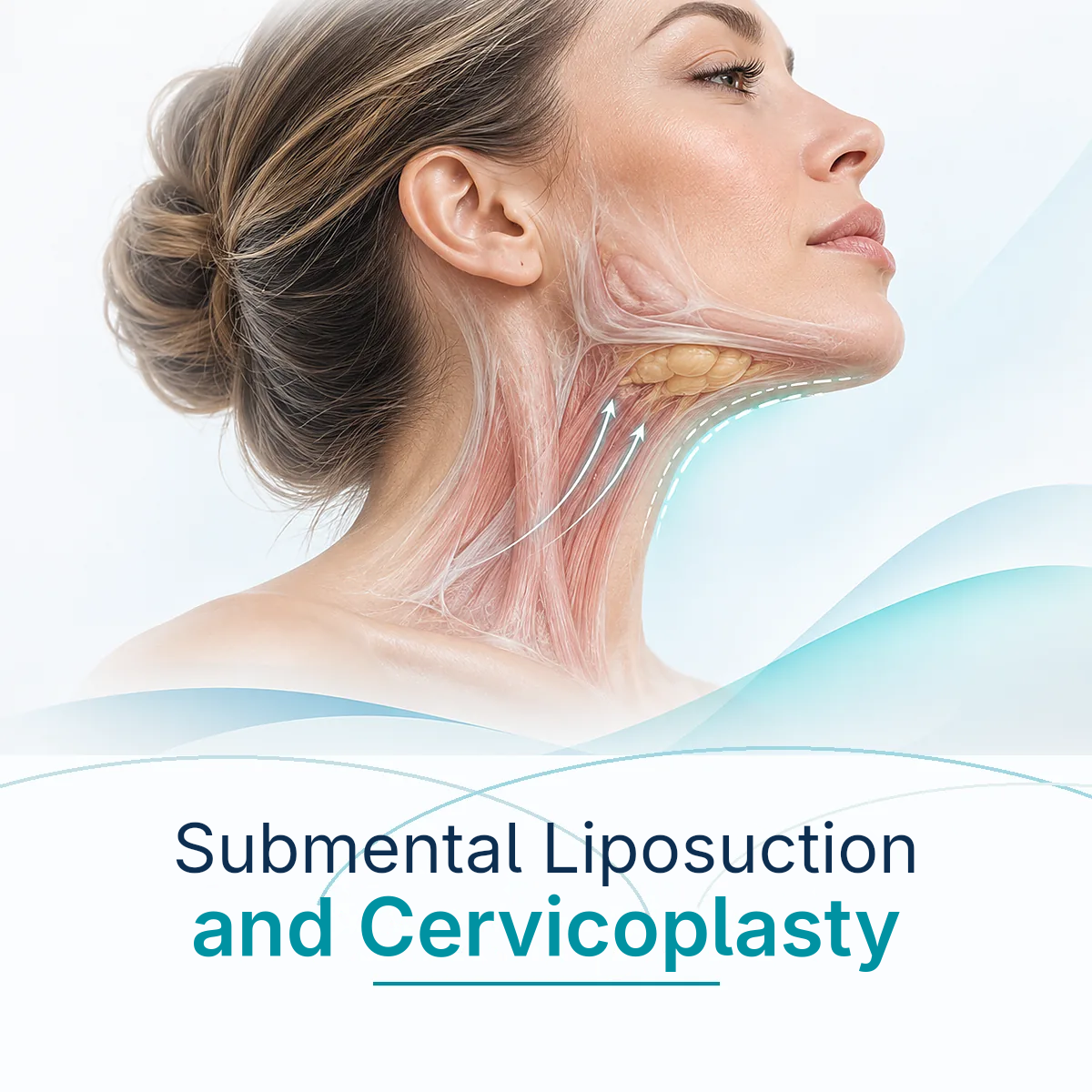
Explore this treatmentUnderstand submental liposuction, cervicoplasty and deeper neck procedures.
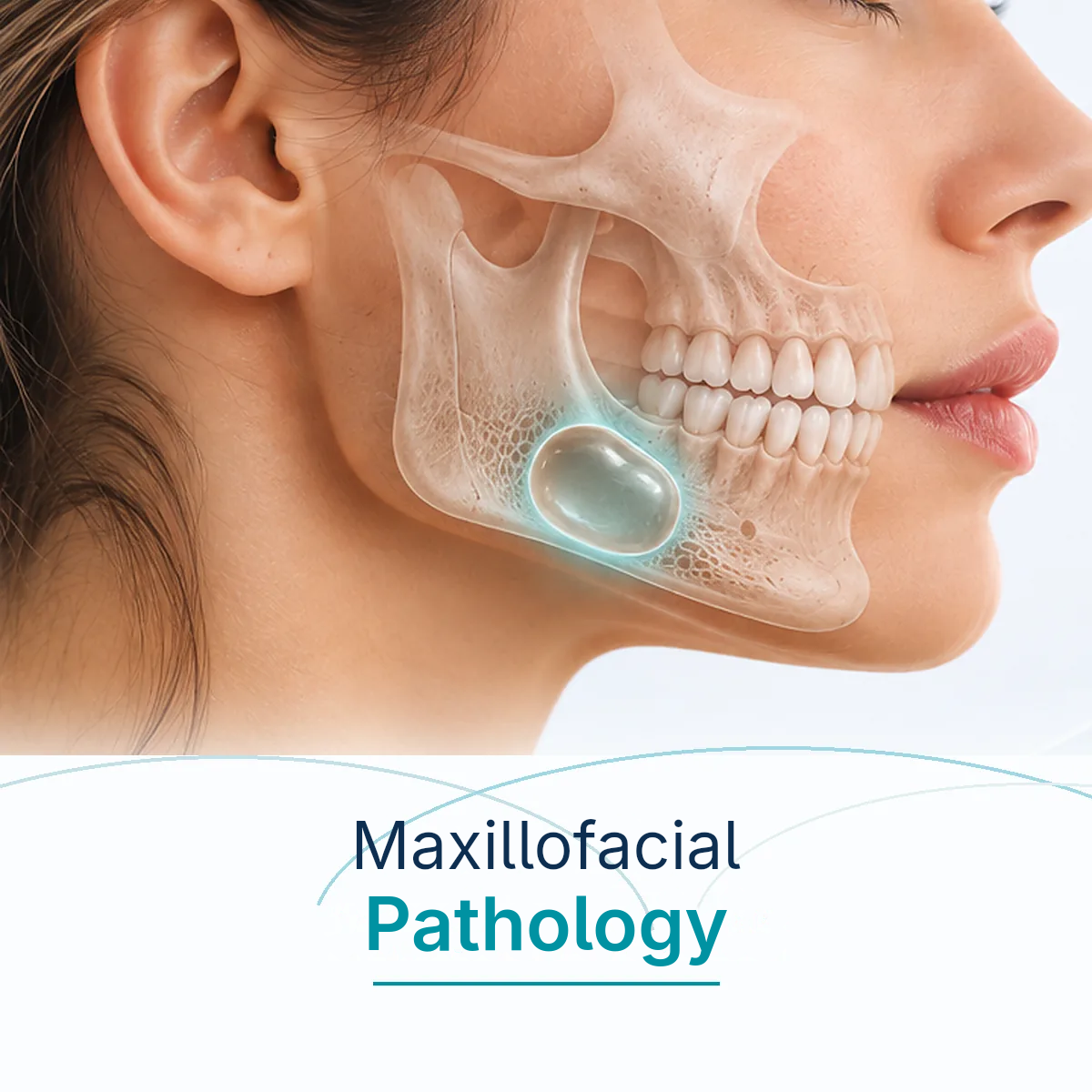
Explore this treatmentAssessment, biopsy and treatment of jaw cysts, benign tumors and oral lesions.
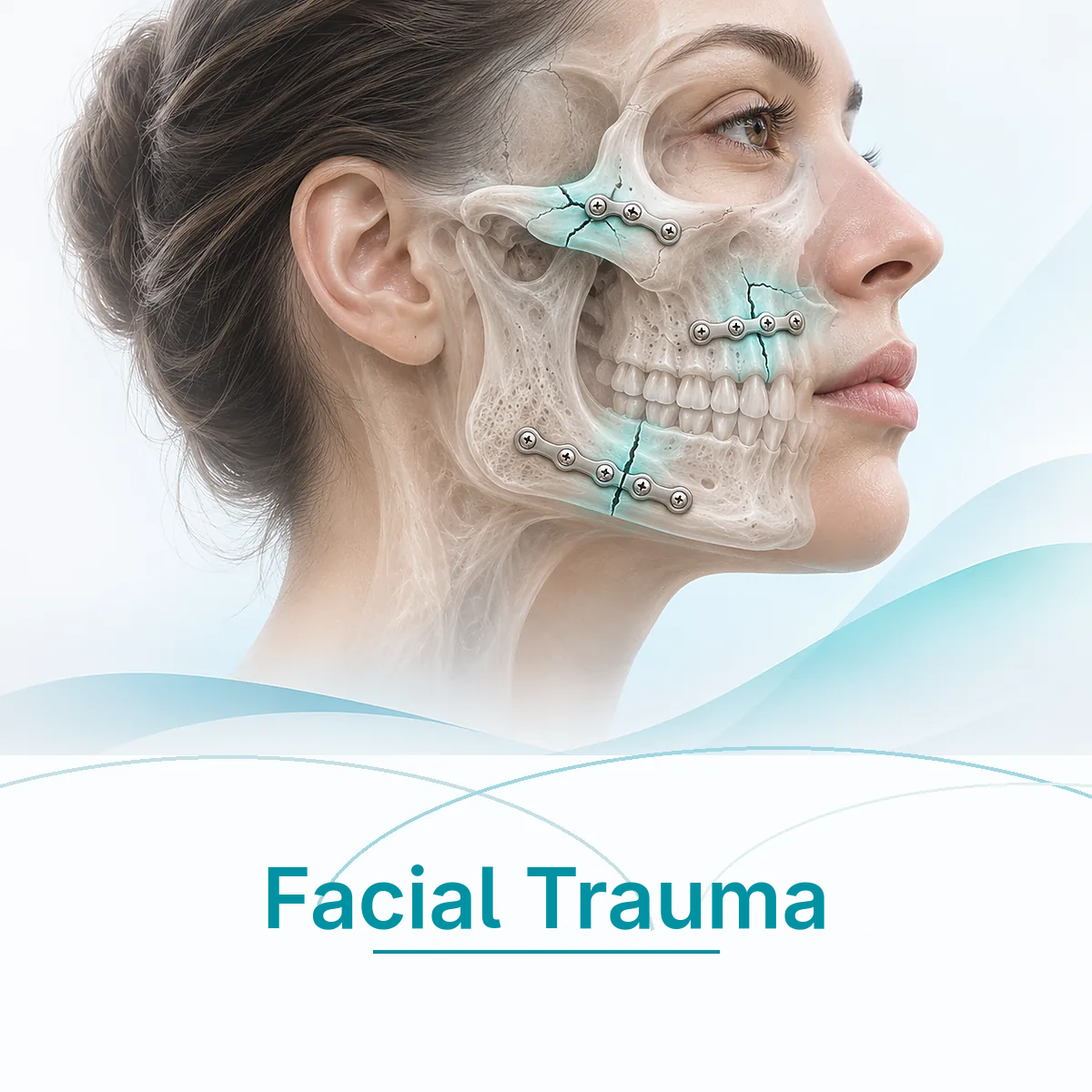
Explore this treatmentSpecialist facial trauma assessment and follow-up after initial emergency care.
Explore this treatmentBREATHING AND SLEEP QUALITY
In selected patients, advancing the upper and lower jaws may enlarge the airway and help manage obstructive sleep apnea.
Learn about sleep apnea treatment ↗
Pauses in breathing, choking during sleep and daytime sleepiness warrant investigation. Sleep assessment and tests such as polysomnography help establish the diagnosis.
Planning considers facial and airway anatomy, the bite, test results and previous treatments. Assessment should be coordinated with the team managing your sleep condition.
CPAP is often an initial option. Medical management, oral appliances and surgery each have specific indications. Not every case of snoring or sleep apnea requires orthognathic surgery, and surgery does not guarantee a cure.
Reference: AASM · guideline on referral for surgical consultation for sleep apnea (2021).
Book an assessmentVIRTUAL 3D PLANNING
Dr Mazzon uses the simulation to show how moving the jaws could change the way your teeth meet and how your profile looks. You can ask which changes are predictable and where the model has limits.
Explore the stagesTests, photographs and analysis of the face and bite guide the surgical proposal.
Planned movements take account of how the teeth fit together, facial proportions and anatomical limits.
The plan is presented and discussed with you before surgery. Simulation helps you understand it; it does not guarantee an exact final appearance.
STAGES OF TREATMENT
If you need orthodontic treatment, your surgeon and orthodontist decide together whether it should start before or after surgery.
Discussion of your concerns, clinical assessment and selection of the tests needed to understand your case.
Coordination with the orthodontist, agreement on the treatment sequence and individual virtual 3D planning.
A procedure under general anesthesia, in a hospital setting chosen according to your treatment needs.
Monitoring of healing, function and sensation, with advice and clearance for activities based on your progress.
EXPERIENCE IN THE SURGERY-FIRST APPROACH
In selected cases, treatment can begin with surgery.
Dr João Pedro Mazzon has experience in orthognathic surgery using the surgery-first approach, known in Brazil as Benefício Antecipado. With this approach, surgery can take place without wearing braces beforehand, when the diagnosis and bite conditions allow.
With the surgery-first approach, surgery precedes the orthodontic stage: braces or aligners are then used according to the plan to align the teeth and finalize the bite. Suitability requires joint planning by the surgeon and orthodontist. This planning also determines whether appliances or attachments are needed around the time of surgery.
Surgery Only is a different approach, with no orthodontic treatment before or after as part of the surgical treatment, reserved for selected cases. The consultation clarifies which sequence is appropriate for you.
Discuss my caseGUIDED RECOVERY
The Fast Recovery protocol organizes care before and after orthognathic surgery, involving the surgical team, anesthesia care and multidisciplinary support as needed.
The aim is to support comfort, rehabilitation and a gradual return to daily life, while respecting your individual response.
Dietary guidance adapted to each stage of recovery.
Support with mobility, swelling and rehabilitation.
Support for the adaptation of oral functions, when indicated.
Timelines vary. Rapid recovery and outcomes are not guaranteed.
CARE FOR INTERNATIONAL PATIENTS
Before booking travel to São Paulo, tell the clinic where you will be during the appointment. The team can help plan your visit and confirm whether a video consultation is available in that location. An interpreter is available for appointments and follow-up.
For the online visit, gather your medication list, existing scans and any records of previous surgery or orthodontics. Ask which examinations require a visit to São Paulo, what your estimate includes and what your insurer needs before the trip.
The surgeon examines your bite and reviews your scans in person. If surgery goes ahead, plan to stay for the first follow-up visits. The team will tell you which appointments to attend locally, including any with an orthodontist or rehabilitation specialist.
Ask the surgeon when it is appropriate for you to fly. Agree on how to reach the team, what can be checked online and which visits will need a clinician near home or a return to São Paulo.
São Paulo/Guarulhos (GRU) is the main international gateway for the city. Viracopos (VCP), another international airport in São Paulo state, is in Campinas and requires a separate ground transfer to São Paulo. Congonhas (CGH), within São Paulo city, is an option for domestic connections. Check routes, connections and transfers before booking.
GRU Airport ↗ · Viracopos — location ↗ · Congonhas — flights ↗
Check the distance from your accommodation to the hospital and the follow-up office. If you book a hotel, serviced apartment or Airbnb, ask about elevator access, space for a companion, facilities for preparing meals and whether you can extend the booking. Check accommodation and transport costs separately.
If a companion is looking for places to visit between appointments, the Avenida Paulista area, MASP and Ibirapuera Park are options. For your own plans, ask the surgical team which activities fit your recovery before booking a visit.
Ask for an itemized estimate for the procedure discussed in your consultation. Request the currency and date of each quote so you can compare like with like.
Compare written estimates for the same operation. Ask whether each covers the hospital, surgeon, anesthesia, scans, implants or prostheses and follow-up. Add orthodontics or rehabilitation if needed, plus flights, accommodation and the cost of a longer stay.
If your health insurer may reimburse part of the cost, ask what documentation it needs before you travel.
FREQUENTLY ASKED QUESTIONS
Will I need braces? When can I get back to work? These answers explain what affects those decisions.
Contact the teamSuitability depends on assessment of the face, bite and test results. A lower jaw that is too far forward or back, asymmetry and an open bite may warrant investigation. Not every discrepancy requires surgery; alternatives are discussed during the consultation.
Repositioning the upper and lower jaws may change the profile, facial proportions and smile. Planning considers your concerns, anatomy and treatment goals. The 3D simulation helps with this discussion but does not guarantee an exact final appearance.
Orthodontic preparation is often part of treatment. In selected cases, the surgery-first approach allows surgery before the orthodontic stage, followed by braces or aligners to finalize the bite. Surgery Only, with no orthodontic treatment before or after as part of the surgical treatment, is a different approach limited to selected cases. Aligners, such as Invisalign, may be part of treatment, but some situations require temporary fixed braces or a combination of methods. The choice is made with the orthodontist.
Surgery is performed under general anesthesia. Pain, swelling and discomfort may occur after surgery and are managed with medication and follow-up care. Their intensity varies between individuals and according to the procedure performed.
Recovery takes place in stages. Diet, work, exercise and orthodontic treatment are adjusted according to your progress. The team advises when each activity can be resumed; returning to activities does not mean that bone healing is complete.
Risks include bleeding, infection, changes in sensation and the need for adjustments or further procedures. Numbness, referred to as paresthesia, may improve over several months but persists in some cases. Specific risks and precautions are discussed before the decision to have surgery.
Surgery with Dr João Pedro Mazzon may be self-funded or have eligible costs covered in full or in part by medical health insurance. The amount and payment arrangements depend on the specific policy, the procedure and the insurer’s assessment. We discuss the possibilities and required documentation at the consultation.
Consultations and surgical-team fees are private-pay. Where the policy allows, patients may receive full or partial reimbursement after payment. Hospital admission, materials, anesthesia and other expenses must be assessed separately; direct hospital payment is possible only when approved and arranged with the insurer and hospital. Our team can help with clinical documentation and reimbursement requests, when available.
Yes. You can discuss your concerns and review existing scans online. The team can explain which examinations need to take place in São Paulo. Before booking flights, ask how much time to allow for in-person visits and how follow-up would work once you are home.
Maxillomandibular advancement may contribute to the treatment of obstructive sleep apnea in selected patients. Snoring alone does not confirm sleep apnea or indicate a need for surgery. The decision depends on sleep assessment, tests, anatomy and treatment alternatives. Follow-up continues after surgery because residual sleep apnea may remain.
Yes, the combination may be considered when both procedures are indicated and clinical conditions are suitable. Planning considers the changes that moving the upper jaw may produce in the nose. In Dr João Pedro's practice, rhinoplasty is performed together with orthognathic surgery when feasible. If the procedures are staged, orthognathic surgery comes first and rhinoplasty is planned for at least six months later, depending on assessment of recovery. For patients who need both procedures, his guidance is not to have rhinoplasty before orthognathic surgery.
The practice is at Rua Domingos de Morais, 2187, conjunto 318, Torre Xangai, in Vila Mariana, in the southern part of São Paulo/SP, Brazil, postal code 04035-000. Private in-person and online consultations are available. To book, contact us on WhatsApp at +55 (11) 98940-5900.
Single-jaw surgery treats the upper or lower jaw; double jaw surgery treats both. The decision depends on your bite, facial proportions, airway assessment when relevant and 3D planning. A consultation and the appropriate examinations are needed to determine the treatment plan.
No. Mentoplasty, also called genioplasty or chin surgery, addresses the chin. Orthognathic surgery repositions the upper and/or lower jaw to address a skeletal bite discrepancy. Osseous genioplasty may be added when chin position or shape is part of the treatment plan; it is not a substitute for correcting a jaw-related bite problem.
APPOINTMENTS
Contact the team on WhatsApp for an appointment with Dr Mazzon. If you have already had dental X-rays or jaw scans, bring them to your visit.
Book a consultation on WhatsApp Consultations and professional fees are privately paid.@DRJOAOPEDROMAZZON
Explore published cases and Dr João Pedro Mazzon's explanations of treatment planning, procedures and recovery.